
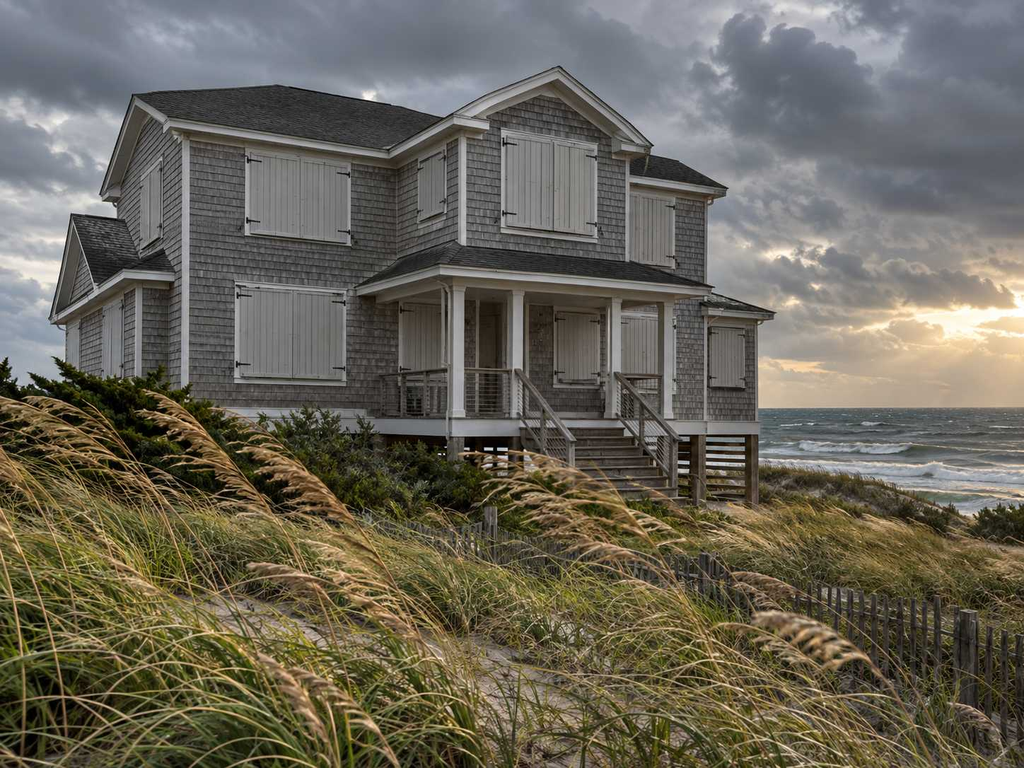
Storm season at the shore doesn’t end with summer. Atlantic hurricane season runs from June 1 through November 30. Nor’easters are most frequent between September and April, according to New Jersey’s hazard mitigation plan. That leaves only a few quiet months each year.
Most homeowners know the basics. Still, the steps that matter most often get skipped until a storm is on the radar. This guide covers what to do before a storm and what to do after. It also covers when a short-term fix stops being enough.
Start Before a Storm Is in the Forecast
Some of the best protection takes weeks, not hours. For example, a new policy through the National Flood Insurance Program usually has a 30-day waiting period. Buying coverage once a storm is named is too late.
Standard homeowners policies typically don’t cover flooding. Call your agent now and ask exactly what your policy pays for. Then ask what would change if your home sat higher.
Make a Home Inventory
Walk through every room with your phone and record video. Photograph valuables and write down serial numbers for electronics and appliances. Store copies in the cloud, not in a drawer downstairs. That record makes an insurance claim far easier.
Know Your Flood Zone
Your flood zone shapes everything from insurance costs to rebuilding rules. Our guide to flood zone building requirements explains base flood elevation. It also shows how to look up your zone with your township.
Protect Doors and Windows
Wind-driven rain and debris usually get in through openings first. Storm shutters or fitted plywood panels give windows real protection. Impact-resistant windows are the stronger long-term choice. They stay in place all year, so there’s nothing to put up when a storm approaches.
Skip the tape. Taping glass won’t keep it from breaking. In fact, it can create larger, sharper pieces.
Check exterior doors as well. Good weatherstripping and solid deadbolts help keep doors seated in strong gusts. Garage doors are a common weak point. A bracing kit can help an older door resist wind pressure.
Get Ready for Water
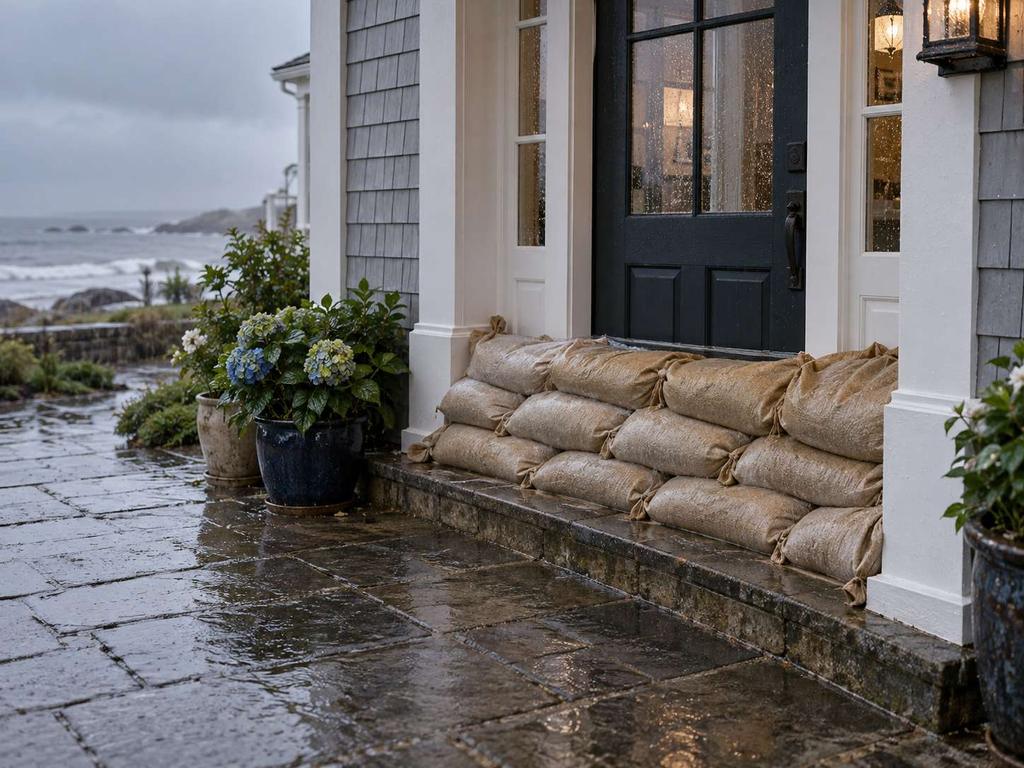
At the shore, water is often a bigger threat than wind. Sandbags across doorways and low openings can slow shallow water. In a pinch, heavy-duty trash bags partly filled with water can work too. Neither one will stop a real surge, though.
Inside, move documents, electronics and valuables to upper floors. Raise furniture off the floor where you can. If your utilities sit in a crawl space or low basement, learn how to shut them off safely.
A Pre-Storm Checklist
When a storm is a few days out, work through this list:
- Bring in or tie down patio furniture, grills, planters and trash cans
- Trim dead or overhanging branches near the house
- Clear gutters and downspouts so water can drain
- Unplug electronics and use surge protectors
- Charge phones and power banks, and fill your gas tank
- Test your sump pump and consider a battery backup
- Follow evacuation orders, especially on the barrier islands
After the Storm Passes
Wait until officials say it is safe to return. Floodwater can hide debris and often carries contaminants. Never walk into a flooded home until the power is off.
- Photograph all damage before you start cleanup
- Call your insurance company as soon as possible
- Pull out wet drywall, insulation and flooring quickly to limit mold
- Keep receipts for emergency repairs and supplies
Be careful who you hire. Out-of-town crews sometimes show up after a big storm asking for large deposits. Check licensing, insurance and local references first. Our post on choosing the right contractor covers what to look for.
When Short-Term Prep Isn’t Enough
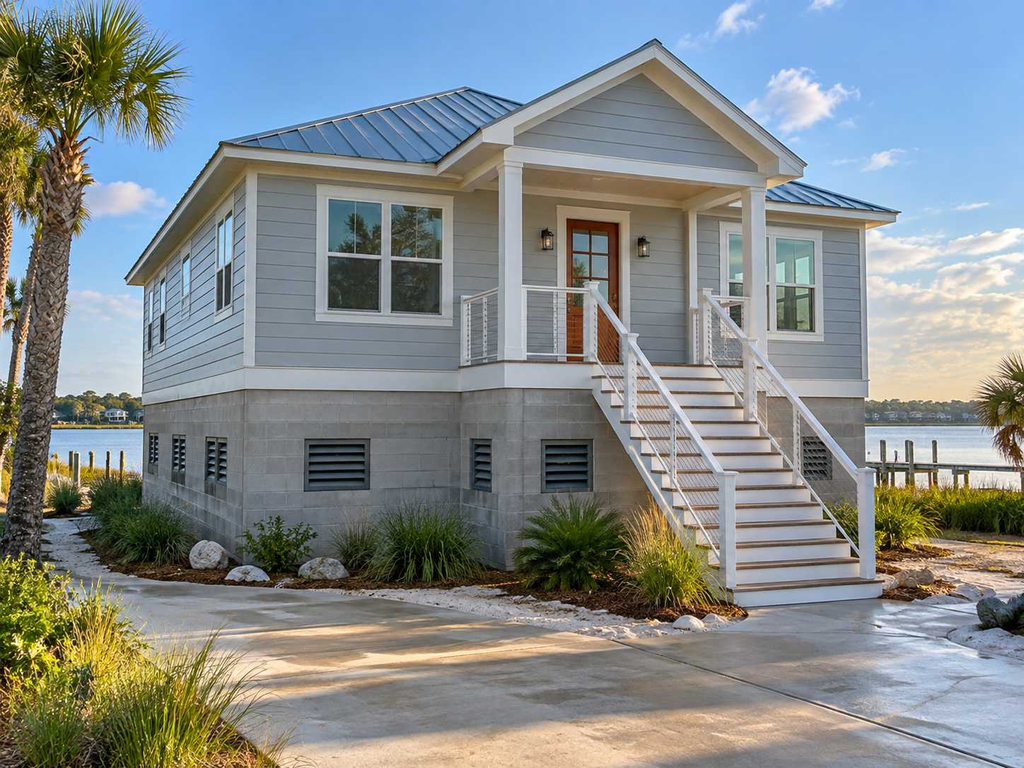
Sandbags and shutters help you get through one storm. However, they do nothing about the next one. If your home takes on water every few years, the real problem is its height.
Raising the house puts your living space above expected flood levels. It also gives you a chance to move mechanicals and electrical panels out of harm’s way. Depending on your zone, enclosed areas below the home may need flood vents. Many owners pair a lift with a renovation or an addition, since the house is already being worked on.
Elevation can also change what you pay for flood insurance. Homes built above base flood elevation generally qualify for better rates. Ask your agent to price both scenarios before you decide.
The rules are shifting as well. New Jersey adopted its REAL coastal flood rules in 2026, though full implementation has been delayed. A major renovation may trigger elevation requirements you didn’t expect.
See how house raising works, from the first assessment through foundation work and the lift itself.
Talk With a Builder Who Knows Coastal Homes
Chap Construction has been building, lifting and renovating homes since 1972. Our crews know what it takes to keep a coastal house standing through rough seasons. We serve homeowners throughout Ocean County. We can look at your home, explain your options and handle permits from start to finish.
Ready to protect your home before the next storm? Contact our team or call 732-349-3223 to schedule a consultation.