
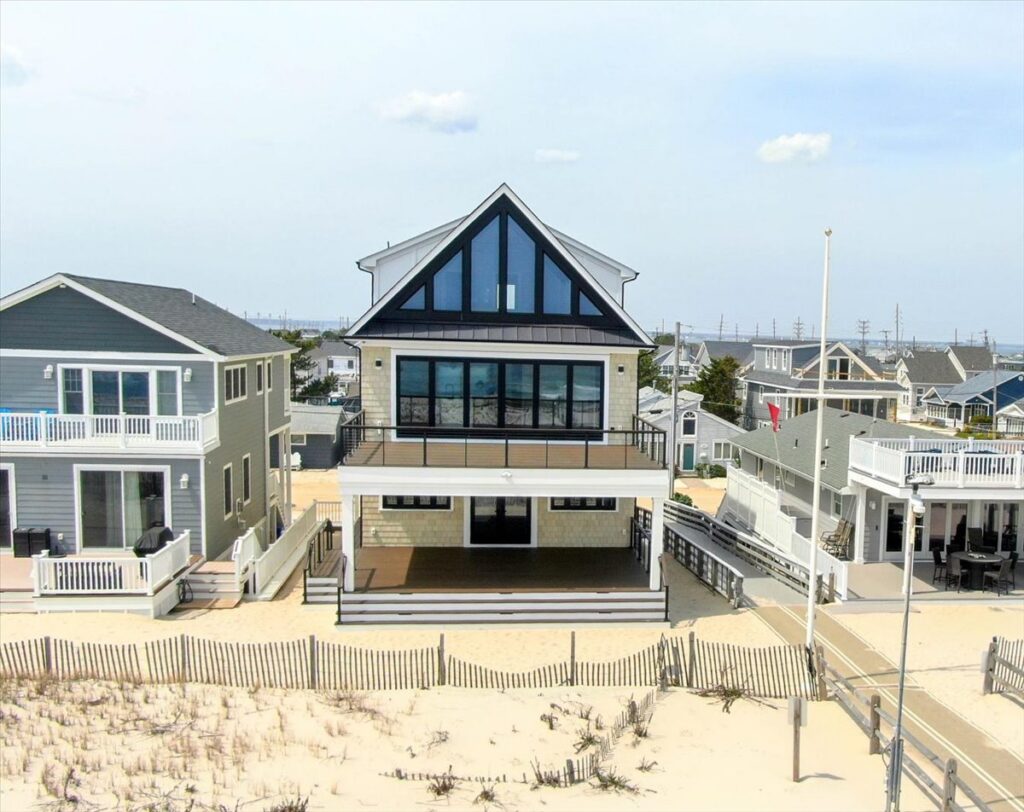
Homeowners along the Jersey Shore face a unique set of building rules. Flood zone regulations shape what you can build, repair, or raise. Understanding these rules early saves time, money, and stress later.
This guide breaks down flood zone basics for Toms River and Brick Township residents. We will cover base flood elevation, zone classifications, and what they mean for your next project.
What Is Base Flood Elevation?
Base flood elevation, or BFE, is a critical number for coastal homeowners. It represents the water level with a one percent chance of occurring in any given year. Many people call this the hundred-year flood mark.
Your home’s lowest living floor should sit above this elevation. That single measurement affects your insurance rates, your rebuilding options, and your resale value.
Why BFE Matters After a Storm
Storm damage claims often hinge on BFE compliance. Homes built below this elevation face higher insurance premiums every year. Homes built above it typically qualify for lower rates and fewer restrictions during repairs.
Older shore homes were often built before current flood maps existed. That gap creates real challenges when storm damage forces a rebuild decision.
How to Check Your Flood Zone
Every property along the coast falls into a specific flood zone category. These categories range from minimal risk to high velocity wave zones. Your zone determines what construction standards apply to your property.
Toms River residents can request a written flood zone determination from the township engineering department. Brick Township offers a similar mapping service through its floodplain management office. Both departments can confirm your exact BFE and zone classification.
Checking this information before you plan a renovation avoids costly surprises. A contractor familiar with local flood codes can also help interpret the results.
A-Zones Versus V-Zones: Why It Matters
Not all flood zones carry the same construction requirements. Understanding the difference helps you plan realistic budgets.
A-zones typically face standard elevation requirements tied to base flood elevation. These areas experience slower moving floodwaters without major wave action.
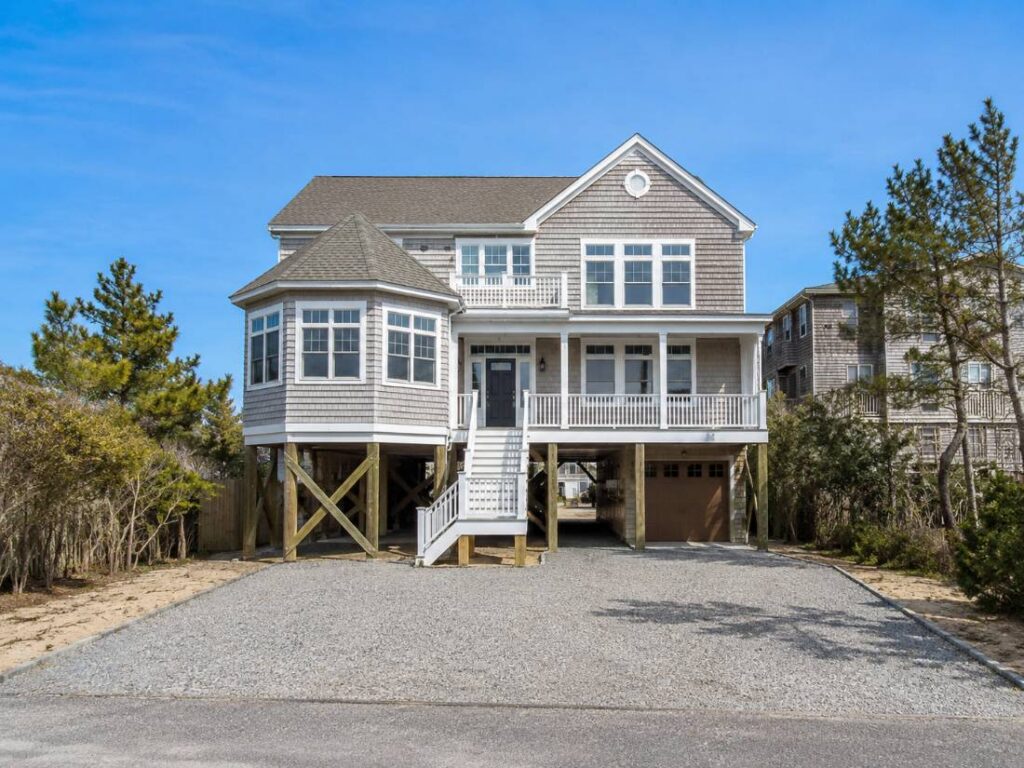
V-zones, sometimes called velocity zones, sit closer to open water. These properties face wave action during storm surge events. Construction in a V-zone often requires piling foundations rather than standard footings.
That structural difference raises project costs significantly. It also changes what a contractor can safely build without special engineering.
Some Brick Township properties have shifted between these classifications over time. FEMA updates flood maps periodically based on new storm and elevation data. Staying current on your zone status protects your investment.
House Raising as a Flood Protection Strategy
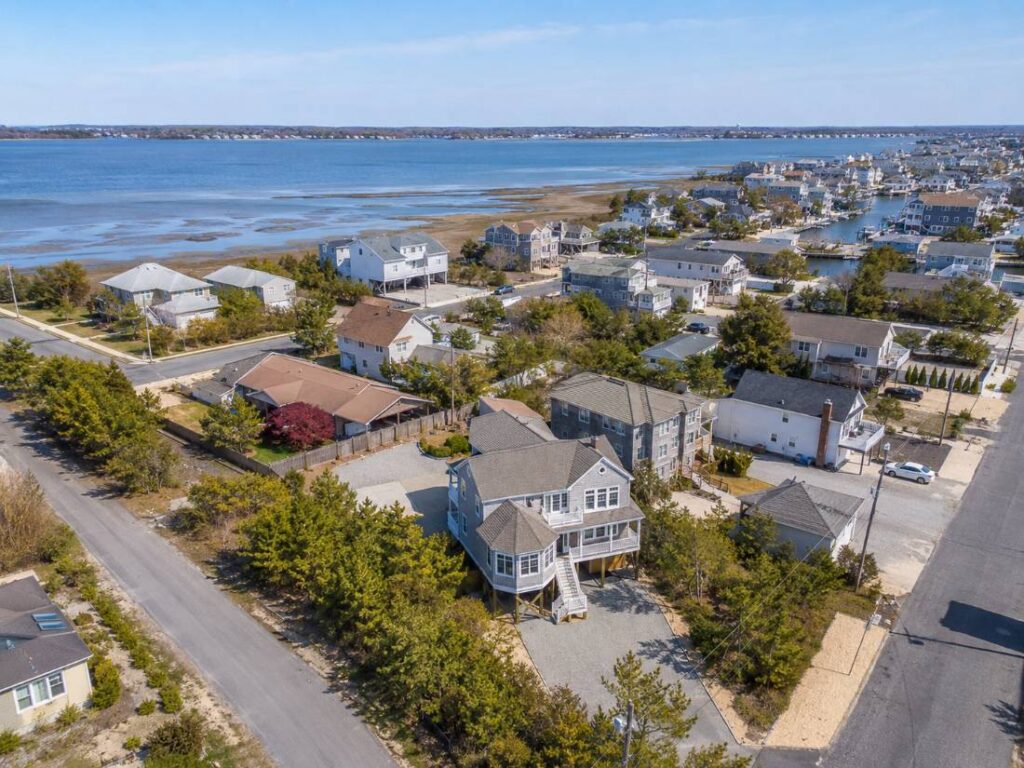
Elevating an existing home is one of the most effective flood protection measures available. Raising your house above base flood elevation reduces flood insurance costs. It also protects your foundation, utilities, and living space from future storms.
This process involves lifting the entire structure and building a new, elevated foundation. Utilities like water heaters and electrical panels typically move higher during this process. That relocation keeps critical systems safe during future flooding events.
House raising works for many home styles found throughout Ocean County. Ranch homes, capes, and colonials can all be elevated with proper engineering. The right approach depends on your home’s construction and your specific flood zone requirements.
Chap Construction has been raising and rebuilding shore homes since 1972. Our team understands local flood codes because we navigate them on every project. Learn more about our house raising process and how it protects your home long-term.
Frequently Asked Questions About Flood Zone Building Requirements
Flood insurance is not always required outside high-risk zones. Many homeowners still choose coverage since flooding can occur anywhere. Lenders may require insurance depending on your mortgage terms and zone classification.
A-zones face standard flood risk without major wave action during storms. V-zones sit in areas exposed to wave action and require stronger foundation systems. Building costs are generally higher in V-zone locations.
Costs vary based on home size, foundation type, and current flood zone requirements. Homes needing piling foundations in V-zones typically cost more to elevate. A site visit gives homeowners an accurate, project-specific estimate.
Protecting Your Shore Home Starts With Information
Flood zone rules can feel overwhelming without local guidance. Working with a team that understands Toms River and Brick Township codes makes a real difference. Every project benefits from accurate flood zone data before construction begins.
Chap Construction has served coastal New Jersey families since 1972. We combine local code knowledge with hands-on construction experience. Our team helps homeowners make informed decisions about flood protection and long-term value.
Our custom homes team also designs new builds for coastal resilience from the ground up. You can also read more about recent building code changes affecting the Jersey Shore for additional context.
If you are considering elevating your home, we can walk you through the process. Contact our team to discuss your property’s flood zone status. We will help you understand your options and plan a project that protects your investment.