
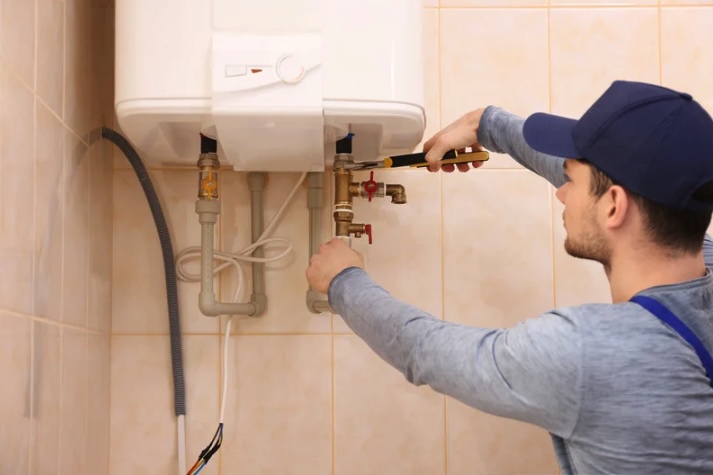
Homeowners across Ocean County and the Jersey Shore rely on a dependable water heater every morning. Hot water keeps showers comfortable, dishes clean, and daily routines running smoothly.
Once your tank or tankless unit starts to slip, the signs often build slowly until a cold shower finally grabs attention. Understanding those early signals can help you plan for water heater replacement before leaks or breakdowns disrupt your house.
The Typical Life of a Water Heater in Ocean County
Tank water heaters in our region usually last eight to twelve years. Tankless water heaters often run longer, sometimes close to twenty years, thanks to fewer internal components and more efficient heating. Salt air, attic placement, limited space, and heavy demand from a large family can shorten the life of any system. Regular water heater maintenance helps, but once age and warning signs appear together, planning a replacement becomes the safer and more cost-effective approach.
Signs Your Water Heater Is Near the End
Drips, Moisture, or Visible Leaks
Any leaks around the tank, top fittings, or relief valve call for immediate attention. Even slow moisture around the base of a heater signals that internal metal has started to fail. A leaking tank cannot be repaired effectively, so a new water heater becomes the only lasting solution.
Aging equipment tends to corrode from the inside out. Once corrosion reaches the tank wall, replacement is the only option. Chap Mechanical’s licensed team can inspect your system and determine the cause before any attic, closet, or basement damage spreads.
Fluctuating Hot Water or Sudden Cold Shower Episodes
If your shower goes from warm to cold without warning, the unit may be struggling to keep up with demand. A failing thermostat, worn heating elements, or sediment buildup limits the heater’s ability to reach the desired temperature.
Hot water loss that occurs more often in the morning points to an aging tank that no longer heats efficiently. Tankless units that cut out mid-shower also show signs of stress or improper installation.
Water That Looks Rusty or Has a Metallic Odor
Rusty or discolored hot water often means the inside of the tank is breaking down. In Ocean County, many older homes have hard water, and over years of heating water, sediment collects at the bottom of the tank. This buildup affects efficiency, raises energy use, and accelerates failure.
Strange Sounds Coming From the Unit
Popping, banging, or rumbling noises happen when sediment hardens inside the tank. The burner or elements then struggle to heat through these layers. At this stage, efficiency drops sharply, your utility cost rises, and the life of the heater shortens.
Water Takes Too Long to Heat or Runs Out Quickly
A hot water heater that once served your family well may fail to keep up as household size grows or daily routines shift. If the tank cannot recover fast enough or the system cannot heat water effectively, replacement becomes more practical than repeated repair attempts.
Higher Energy Bills Without an Obvious Cause
A water heater that no longer heats efficiently forces natural gas or electricity consumption upward. Newer models, especially tankless units, use far less energy to deliver the same or greater output. Upgrading gives homeowners a chance to save money month after month.
How Long You Can Expect a Water Heater to Last Once Problems Start
Once leaks, temperature swings, or rust appear, most systems have limited time left. Here is a realistic range:
- Minor issues such as small temperature fluctuations: 1–2 years
- Sediment-related noises: 6 months to 2 years
- Rust in hot water: Often less than 12 months
- Moisture at the base of the tank: Replacement needed soon
- Active leaks: Immediate heater replacement
Tankless units may continue to operate after early symptoms appear, but once internal components begin to fail, repair costs can approach the price of a new water heater. Chap Mechanical guides customers through repair-versus-replacement decisions so you can invest wisely.
Types of Water Heaters and How They Affect Lifespan
Traditional Tank Water Heaters
These units store heated water until needed. They cost less upfront, install quickly, and suit most NJ homes. Their lifespan depends on tank quality, maintenance, and demand levels.
Tankless Water Heaters
Tankless units heat water on demand, eliminating standby loss and using less space. They deliver long-term efficiency, offer extended warranty options, and reduce natural gas or electricity usage when sized correctly. Tankless water heater installation requires precise setup, but once installed, homeowners often see improved performance and lower utility cost.
Gas vs. Electric Systems
Gas systems heat water faster and usually cost less to operate. Electric models are simpler mechanically but may respond more slowly to heavy use. Chap Mechanical installs and repairs both, guiding customers toward the best unit for their house, attic conditions, space limitations, and family budget.
Repair or Replace: How to Determine the Best Step for Your Home
Repair makes sense when the system is newer, parts remain in good condition, and the issue stems from a single component. Repeated repairs, rising energy use, or visible corrosion often signal that replacement prevents future labor expense and safeguards your home from damage.
A new water heater also brings upgrades in efficiency, warranty coverage, and performance. Many homeowners across Toms River, Brick, Point Pleasant, and surrounding towns shift to tankless equipment once they learn how much space these systems save and how consistently they hold the desired temperature.
Benefits of Upgrading to a New Water Heater
Improved Efficiency and Lower Utility Costs
Modern systems heat water more effectively, waste less energy, and reduce monthly bills. Tankless water heaters, in particular, heat only the water you use, allowing long-term savings.
More Hot Water for Daily Routines
Homes with growing families often outgrow older tanks. A properly sized unit delivers steady hot water, even during back-to-back showers or heavy morning use.
Less Chance of Damage
A worn tank can leak suddenly. Replacing aging equipment prevents costly water cleanup and protects flooring, drywall, and attic structures.
Compact Designs for Tight Spaces
Our region includes many older beach homes and compact layouts. Tankless units take up far less space and can be mounted in locations that suit renovations or additions.
Extended Warranty Options
A new system often comes with strong warranty protection. Combine that with Chap Mechanical’s in-house installation and maintenance services, and homeowners gain lasting peace of mind.
How Chap Mechanical Helps NJ Homeowners Plan for Water Heater Replacement
Chap Mechanical, part of Chap Construction, provides full-service water heater installation, repair, and replacement for homeowners across Ocean County. Our licensed plumbers and mechanical professionals handle every stage of the process:
- Inspecting the current system
- Sizing a new water heater
- Discussing tank vs. tankless options
- Reviewing price ranges and warranty coverage
- Completing installation with in-house labor (no outside subcontractors)
- Offering maintenance to extend the life of your equipment
Because our team is located here in Ocean County, we understand the demands local homes face, from attic installations to coastal humidity. We help customers choose systems that perform effectively for the long term and fit their budget.
Planning for Replacement Before an Emergency Hits
Most homeowners wait until a tank fails completely, often resulting in leaks, cold showers, or disruption during a busy week. Planning ahead gives you time to compare models, review cost options, and avoid paying more during an emergency call.
If your unit is approaching ten years old or showing signs of reduced efficiency, scheduling an inspection now can save money and prevent a rushed decision later.