
As a builder on the Jersey Shore in New Jersey, the NJDEP’s adoption of the REAL (Resilient Environments and Landscapes) regulations will have a major impact on our coastal communities and surrounding areas.
Part of these rules includes CAFE (Climate-Adjusted Flood Elevation), which affects the DFE (Design Flood Elevation) of homes. Once you get past the acronyms, the real question becomes what this means for homeowners and builders.
Flood Insurance vs. State Building Regulations
It’s important to note that flood insurance is not the main concern with these new requirements. Flood insurance is a federal program through FEMA, while these new regulations are being implemented at the state level. The real impact will be seen in what you can build, how you build it, and how long it takes to secure permits.
New Flood Zone Designations and What They Mean for You
If you were not previously in a flood zone, you may find yourself in one now. That change can affect any future projects, from renovations to new construction. Homeowners may be required to raise their homes, pay higher permit costs, and face longer approval timelines. In some cases, getting a building permit could take months longer than expected.
How CAFE Adds to Existing Flood Elevation Requirements
For those already in a flood zone, the changes are even more significant. FEMA establishes the Base Flood Elevation (BFE), and municipalities typically add an extra safety margin to determine the Design Flood Elevation. Under the new CAFE guidelines, an additional 4 feet may be required. For example, if your current BFE is 7 feet and your town requires 2 additional feet, your DFE would be 9 feet. Now add 4 feet under CAFE, that same home would need to meet a DFE of 13 feet. This varies by municipality, so it is important to confirm requirements locally.
Impact on Home Design and Construction
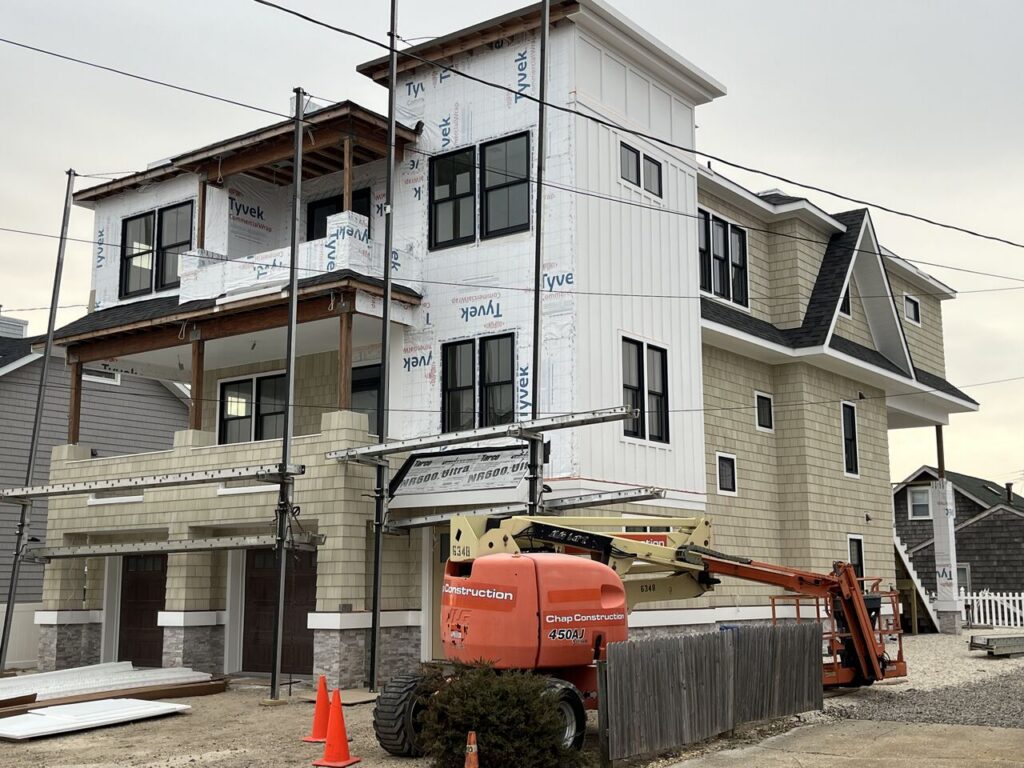
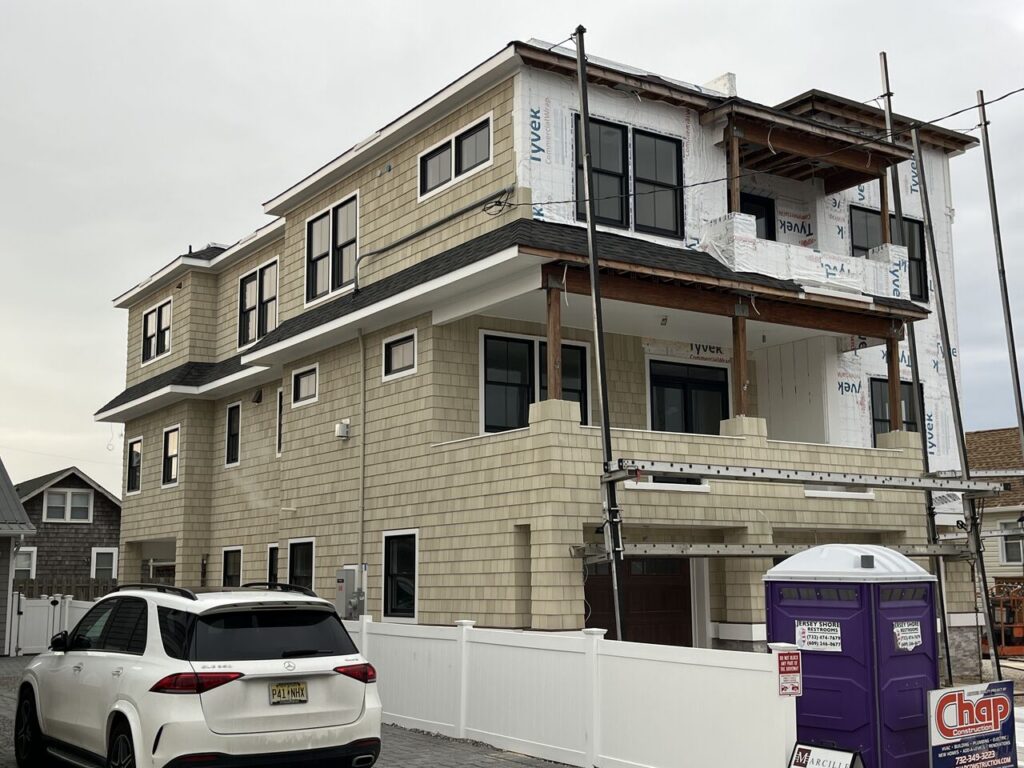
These elevations impact more than just structure height. Mechanical systems, living space, and overall layout must all be reconfigured. In towns with strict height limits, raising the first floor may reduce the ability to build multiple stories, limiting design options and overall square footage.
Planning for the Future of the Jersey Shore
The NJDEP has effectively changed the landscape for development along the Jersey Shore. Planning now requires more time, more coordination, and a clear understanding of local and state regulations.
It’s important for homeowners and property owners to stay informed and involved. Reach out to your local representatives, ask questions, and understand how these changes may affect your property and future plans. The decisions being made today will shape the future of our beautiful shore communities.